

𝘽𝙮 𝙅𝙤𝙨𝙚𝙥𝙝𝙖𝙩 𝙄𝙣𝙖𝙢𝙗𝙖𝙤 𝙎𝙞𝙣𝙫𝙪𝙡𝙖
𝙁𝙤𝙧 𝟯𝟲 𝙮𝙚𝙖𝙧𝙨, 𝙞𝙣𝙙𝙚𝙥𝙚𝙣𝙙𝙚𝙣𝙩 𝙉𝙖𝙢𝙞𝙗𝙞𝙖 𝙝𝙖𝙨 𝙛𝙖𝙞𝙡𝙚𝙙 𝙩𝙤 𝙙𝙤 𝙬𝙝𝙖𝙩 𝘽𝙤𝙩𝙨𝙬𝙖𝙣𝙖, 𝙕𝙞𝙢𝙗𝙖𝙗𝙬𝙚 𝙖𝙣𝙙 𝙕𝙖𝙢𝙗𝙞𝙖 𝙙𝙞𝙙: 𝙚𝙣𝙖𝙘𝙩 𝙖 𝙡𝙖𝙬 𝙧𝙚𝙨𝙚𝙧𝙫𝙞𝙣𝙜 𝙘𝙚𝙧𝙩𝙖𝙞𝙣 𝙗𝙪𝙨𝙞𝙣𝙚𝙨𝙨𝙚𝙨 𝙛𝙤𝙧 𝙡𝙤𝙘𝙖𝙡𝙨. 𝙒𝙝𝙤 𝙞𝙨 𝙩𝙤 𝙗𝙡𝙖𝙢𝙚? 𝙏𝙝𝙚 𝙀𝙭𝙚𝙘𝙪𝙩𝙞𝙫𝙚, 𝙬𝙝𝙞𝙘𝙝 𝙙𝙧𝙖𝙛𝙩𝙨 𝙡𝙖𝙬𝙨, 𝙤𝙧 𝙩𝙝𝙚 𝙇𝙚𝙜𝙞𝙨𝙡𝙖𝙩𝙪𝙧𝙚, 𝙬𝙝𝙞𝙘𝙝 𝙧𝙪𝙗𝙗𝙚𝙧-𝙨𝙩𝙖𝙢𝙥𝙨 𝙩𝙝𝙚𝙢?
Walk through Katima Mulilo, Ongwediva, Oshakati, Windhoek or Rundu. The barbershop, the retail shop, the construction supplier, the small catering tender: all are flooded by foreign traders doing work any Namibian youth can do. In Botswana, 32 business activities are reserved for citizens. In Namibia, everything is for sale.
We call ourselves peaceful and stable. Yet in 2026, Namibia and Botswana share a “paradox of stability”: upper-middle-income on paper, unemployed and unequal on the ground. David Lamb’s hypothesis that post-colonial models fail the masses remains alive.
- Unemployment is 36.9%, and youth unemployment 44–46%. Our universities produce graduates, but we never reserved the bottom of the economy for them.
- The Gini coefficient is 0.59, among the worst in the world. A small elite controls most of the wealth, while 26–28% of Namibians live in poverty. The tender system makes a tenderpreneur a millionaire while the foreign contractor behind him becomes a billionaire.
- Growth without jobs. Mining earns about 50% of foreign exchange but employs fewer than 3% of workers. The diamond slump exposed Botswana. Oil and green hydrogen will follow the same path without a local content law.
- Climate vulnerability and public debt above 70% of GDP leave little room for error.
The Executive has refused to table a Reservation Bill. The Legislature has passed investment bills that protect investors, but never a Local Reservation Act. The result: fronts get N$5 million, foreigners get N$5 billion.
Under President Nandi-Ndaitwah, I propose:
A) A Reservation Act within 100 days, reserving 40 categories for Namibians only.
B) 51% local ownership for all tenders and for oil and green hydrogen projects.
C) NDP6 linked to factories in Ongwediva, Katima Mulilo and Keetmanshoop.
𝙒𝙚 𝙖𝙧𝙚 𝙩𝙤𝙤 𝙛𝙚𝙬 𝙩𝙤 𝙗𝙚 𝙥𝙤𝙤𝙧, 𝙮𝙚𝙩 𝙛𝙤𝙧 𝟯𝟲 𝙮𝙚𝙖𝙧𝙨 𝙬𝙚 𝙝𝙖𝙫𝙚 𝙧𝙚𝙨𝙚𝙧𝙫𝙚𝙙 𝙣𝙤𝙩𝙝𝙞𝙣𝙜 𝙛𝙤𝙧 𝙤𝙪𝙧𝙨𝙚𝙡𝙫𝙚𝙨.
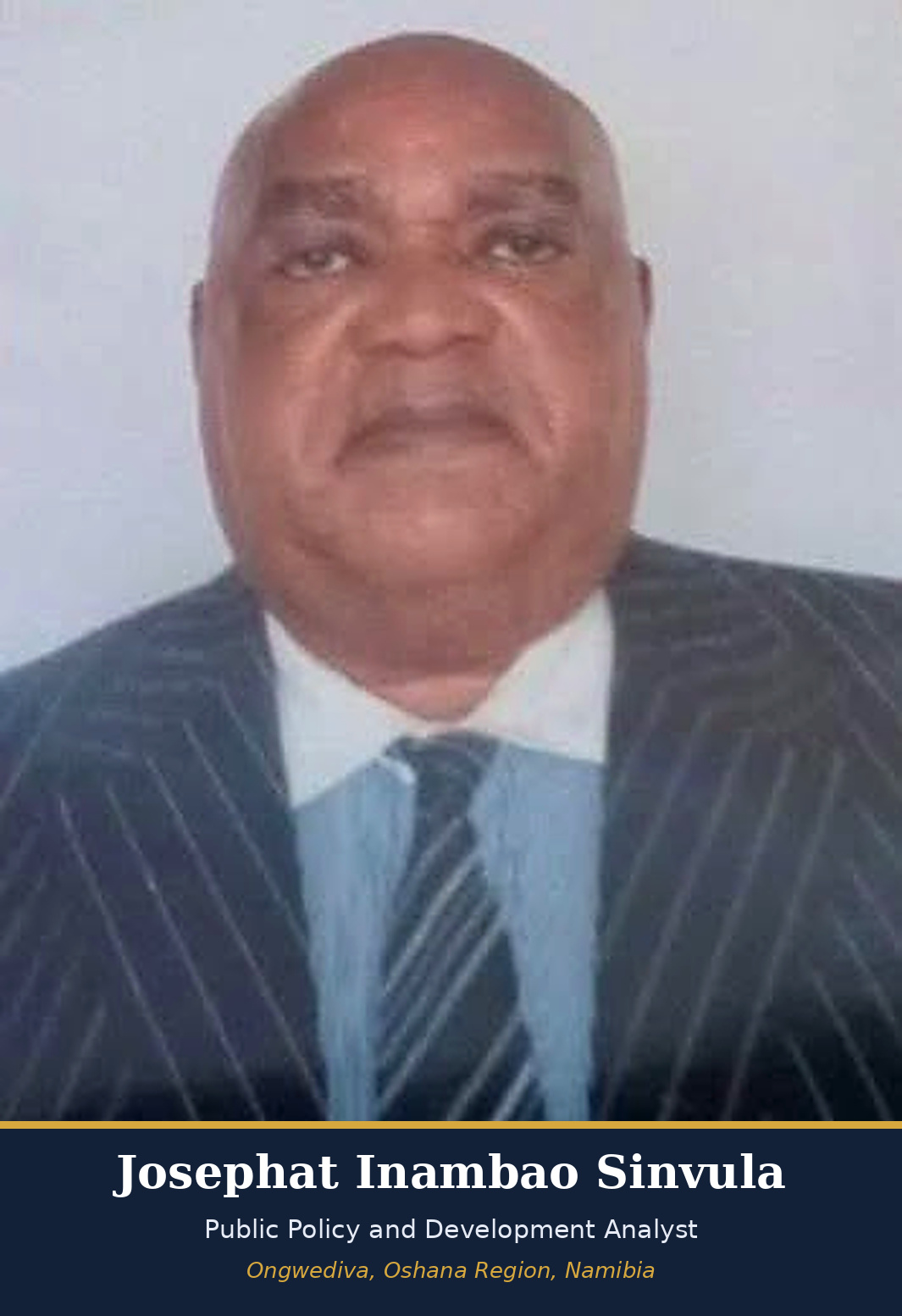
Josephat Inambao Sinvula is a Public Policy and Development Analyst based in Ongwediva, Oshana Region.




 Loading …
Leave a Reply