

By Staff Reporter
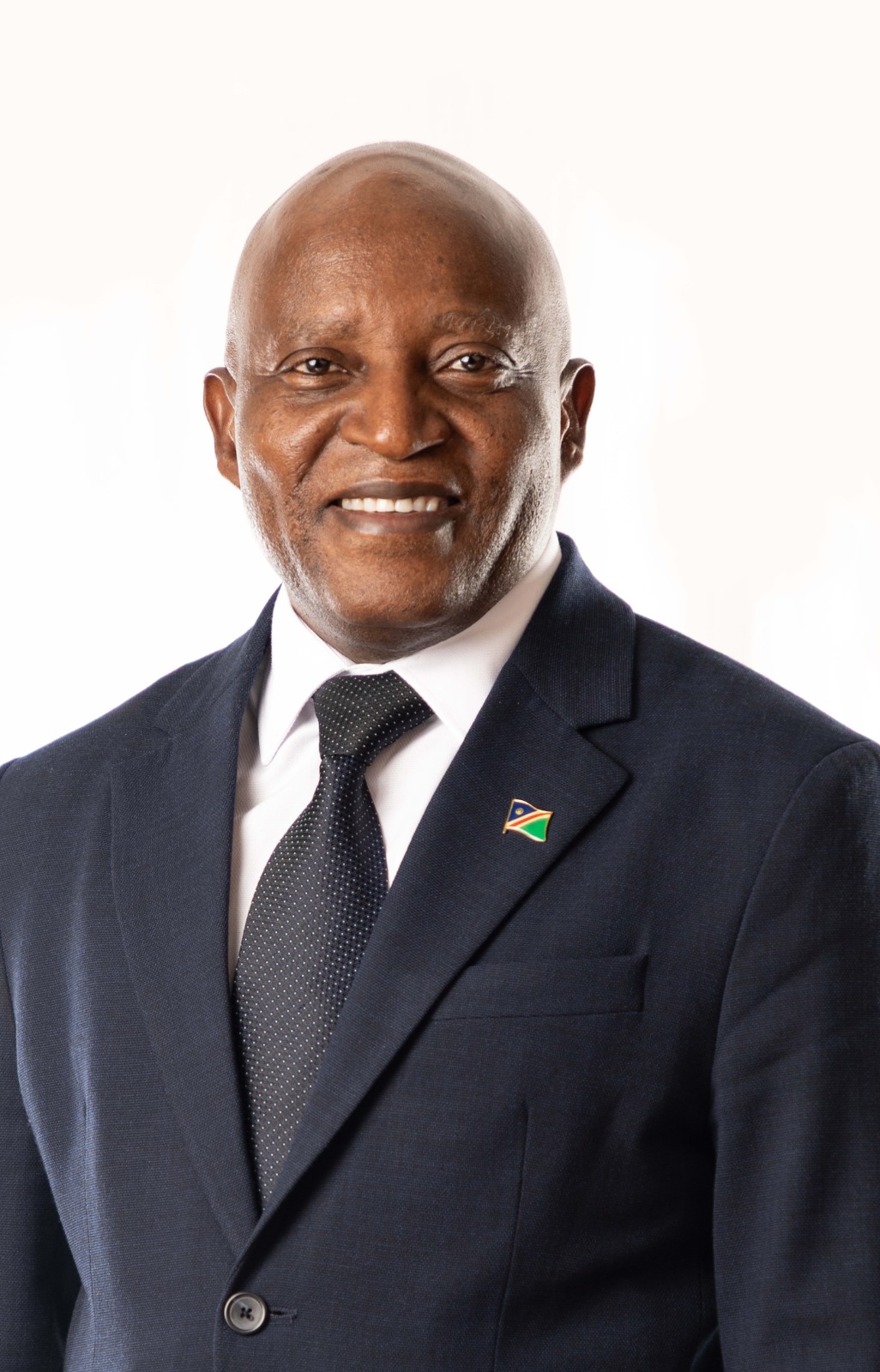
The Namibian Government has officially announced the conclusion of the 2024/25 Nationwide Drought Relief Programme, following improved rainfall and a positive agricultural outlook across the country.
Delivering the update to the National Assembly, Prime Minister, Dr. Elijah Ngurare confirmed that the programme, launched in July 2024 at the height of the worst drought in recent memory, has successfully reached over 1.4 million people across all 14 regions.
The drought, driven by the El Niño weather phenomenon, led to widespread crop failure, depleted grazing areas, and critical water shortages. In response, a State of Emergency was declared by former President Dr. Nangolo Mbumba in May 2024, triggering a government relief effort valued at over N$1.36 billion.
The relief programme focused on:
Food assistance, including monthly parcels with maize meal, cooking oil, and protein sources;
Livestock support, offering fodder and transport subsidies to struggling farmers;
Seed and horticulture provision, to help revive crop production;
Water provision, through borehole rehabilitation and pipeline construction.
In a unique addition, elephant and wildlife meat from sustainable culling was distributed in select regions. The government also partnered with Meatco to supply fresh frozen beef to affected households in six regions.
A new digital system, the Commodity & Beneficiaries Management Information System (CBMIS), allowed nearly 145,000 households to redeem food vouchers at 493 contracted SMEs — a step toward greater efficiency and transparency in disaster response.
The programme received donations from Qatar, China, India, Algeria, and Malaysia, totaling over N$160 million in food and cash. Local individuals and companies contributed an additional N$2 million in cash and goods.
Despite its success, the programme encountered issues including delays, transport shortages, warehouse capacity problems, and cases of food theft. Six theft cases are currently under investigation by the Namibian Police.
With favorable rainfall improving grazing and crop conditions, the government has declared the emergency phase over. The focus will now shift to resilience-building, including borehole drilling, dam construction, and promoting livelihood diversification.
“We remain committed to strengthening Namibia’s food and water security through long-term disaster risk reduction strategies,” Prime Minister, Elijah Ngurare.
Food distribution backlogs are expected to be cleared by 31 August 2025, with final deliveries underway in remaining regions.




 Loading …