

By Staff Reporter

Namibia is fast becoming one of Africa’s most attractive investment destinations, driven by growth in oil and gas, mining, green hydrogen, infrastructure, and industrial development. Foreign direct investment (FDI) inflows between 2021 and 2024 reached N$151 billion – far exceeding the N$50 billion recorded between 2009 and 2020 – and global interest continues to rise.
In a recent Cliffe Dekker Hofmeyr (CDH) webinar, four experts from the firm’s Namibian practice unpacked key trends driving the investment boom and explored how organisations can position themselves to benefit from this new era of opportunity.
Opening the discussion, Mr Patrick Kauta, Managing Partner and Director of Dispute Resolution, noted that while recent FDI has been significant, the sum was used for exploration, which itself is capital-intensive. “The challenge now is to convert foreign direct investment into tangible improvements like job creation,” he said.
In terms of driving this economic change, Ms Ilda Lomba, Director of Corporate & Commercial, said that Namibia’s National Development Plan (NDP6) positions oil and gas as strategic drivers of economic transformation, not just revenue-generating sectors. “The focus is on value addition and beneficiation, rather than exporting raw resources,” she said. “In essence, the plan shifts Namibia from a raw resource exporter to a resource-based industrial economy, aligning natural resources development with long-term national growth.”

This challenge is echoed in the mining sector, which contributes approximately 13% to GDP and is both a priority and enabling sector under Namibia’s NDP6. Ms Magano Erkana, Director of Banking, Finance & Projects, highlighted the need for the government to optimise returns from these resources and invest in other sectors to support sustainable development and uplift the standard of living for Namibians.
Ambitious targets have been set, including increasing the export of processed minerals from 46.6% to 57% by 2030 and attracting N$30 billion in new mining investments. Erkana noted that the mining sector is positioned for significant expansion, with projects expected to drive capital expenditure exceeding N$2.8 billion and create over 500 000 jobs by 2030.
Infrastructure development underpins much of this growth, with the government focused on positioning Namibia as a strategic gateway that connects SADC with the world. “Within the framework of the public-private forum, which is an institutionalised public-private dialogue that was launched in October 2025, it’s meant to facilitate collective effort and joint ownership by both public and private sectors to achieve the set goals,” Erkana added, listing targeted developments such as warehousing facilities and equipment, logistic parks, and increasing the transport capacity of the four main corridors, being Trans-Kalahari, Trans-Caprivi, Trans-Kunene, and Trans-Oranje.
Ms Lomba added that energy infrastructure is a critical enabler of Namibia’s oil and gas sector. “Without it, discoveries cannot be commercially developed,” she said, pointing to the need for refineries, gas-to-power facilities, and expanded port and storage capacity.
Funding these large-scale projects requires a mix of financial structures. Erkana explained that mining projects typically rely on a combination of debt and equity, each with trade-offs. “Equity financing offers access to capital without repayment obligations, but may result in equity dilution, whereas debt financing may come with higher interest rates and the pressure of meeting repayment schedules,” she said.
Alternative models such as royalty and streaming arrangements are gaining traction, offering upfront capital while preserving balance sheet flexibility. These structures, Erkana noted, can be tailored to project lifecycles and provide long-term, stable, and predictable returns for investors.
From a tax and structuring perspective, Ms Mercy Kuzeeko, Director of Tax & Exchange Control, emphasised the importance of careful planning when entering the Namibian market. “Investors really have to determine the mode of entering the country and how they intend to fund their investment,” she said, noting that the choice between equity and debt has distinct tax and regulatory implications.

Namibia’s source-based tax system means that both foreigners and residents are only taxed on income that’s sourced in Namibia, offering a level of certainty for investors. However, Ms Kuzeeko cautioned that proposed legislative changes, including the recharacterisation of certain hybrid instruments, would influence how investors are going to structure their mode of investments.
Kuzeeko also outlined the primary investment vehicles available, including subsidiaries, branches, and joint ventures, stressing the importance of proper structuring from the outset to ensure the efficient repatriation of dividends and interest payments.
Ms Lomba noted that the local content principle is central to ensuring that Namibia’s resource wealth translates into broad-based economic benefits for the Namibians.
“Under NDP 6, the focus is not just on the number of jobs available now, but on job opportunities to be created over time.” She warned, however, that implementation must be balanced. “If it is too strict too early, it may discourage investment, but if it’s too weak, Namibia risks limited local benefit.”
Policy certainty and regulatory reform remain key to sustaining investor confidence. Erkana pointed to ongoing efforts to modernise outdated legislation, including a new Minerals Bill and a proposed Investment Promotion and Facilitation Bill aimed at streamlining processes and encouraging value addition. “Government is looking to create an environment in which businesses can grow and create jobs. The creation of this enabling environment includes removing barriers, cutting red tape, and ensuring that enterprises thrive and FDI continues to increase,” she said.
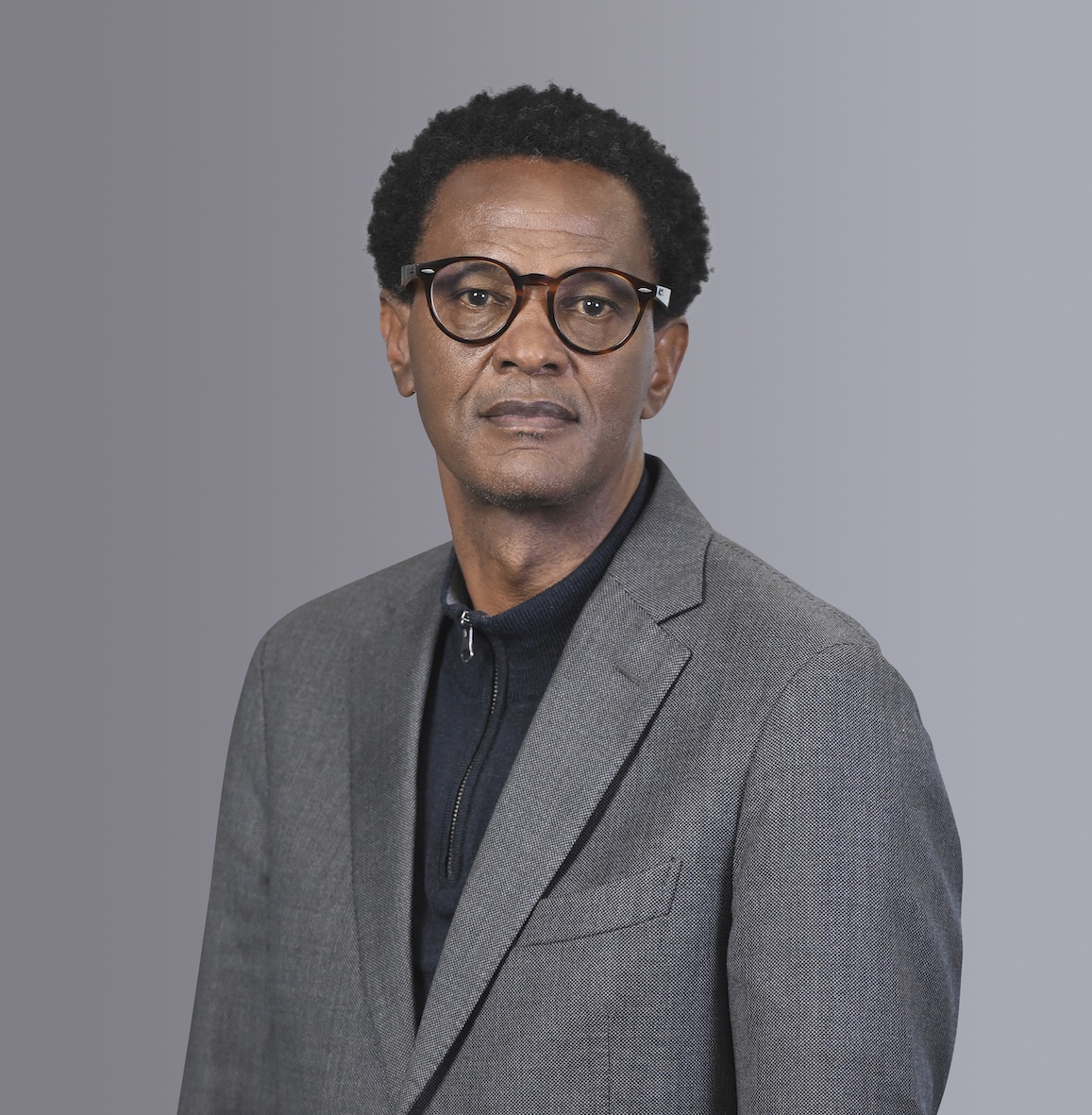
As Namibia continues to refine its policy framework, invest in infrastructure, and deepen public-private collaboration, Mr. Kauta reiterated that it is undergoing a fundamental shift: “Namibia is moving from a source economy to a competitive economy,” he concluded.
ENDS…
SOURCE: Cliffe Dekker Hofmeyr (CDH) Namibia & MSL GROUP




 Loading …
Leave a Reply