

By Staff Reporter
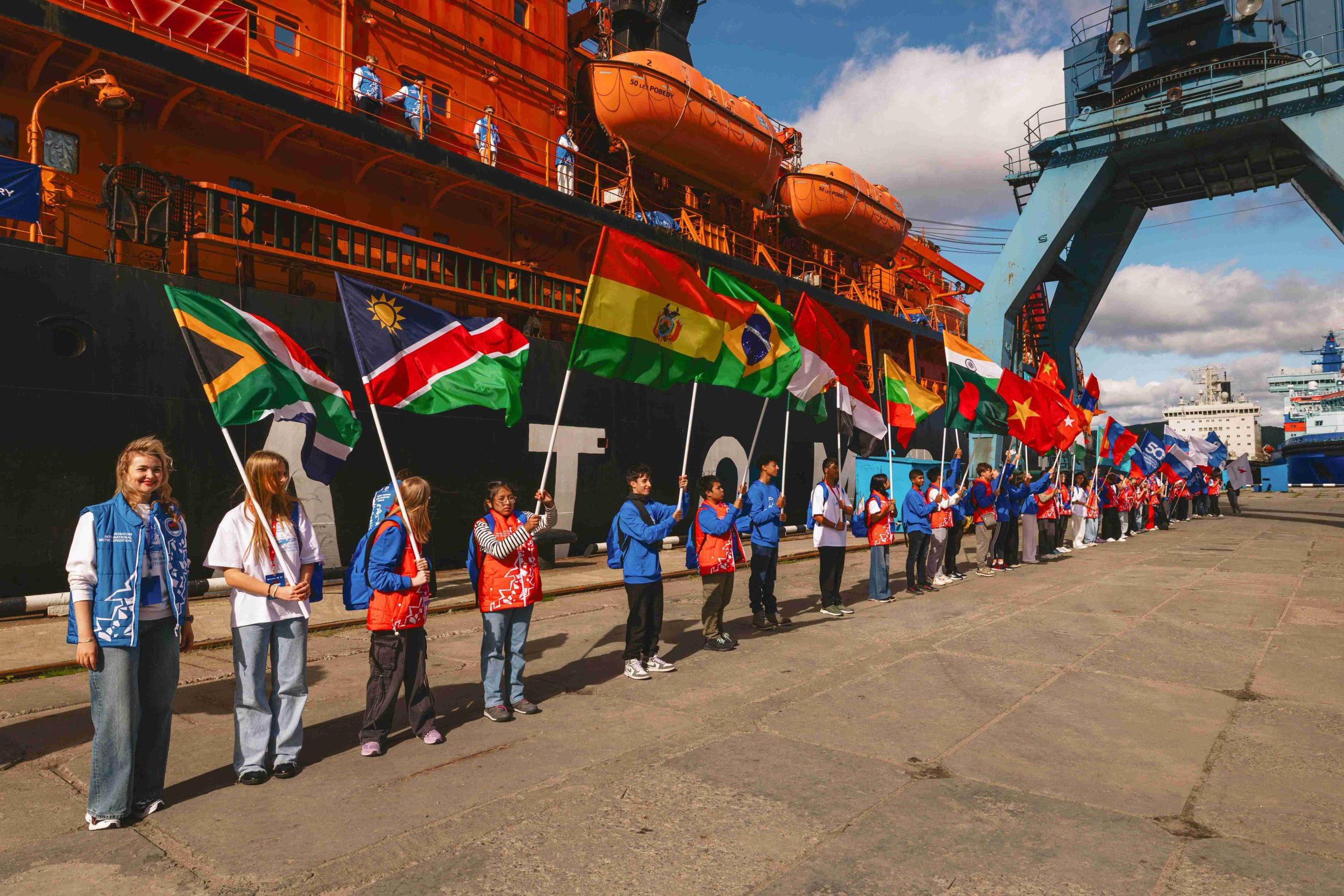
A Namibian school student, Kadhikwa Tironenn Amutenya has been named among the winners of Rosatom’s international educational project Icebreaker of Knowledge 2026 and will embark on a once-in-a-lifetime expedition to the North Pole.
The seventh season of Icebreaker of Knowledge – an international educational project supported by Rosatom – concluded at the Museum of Atomic Energy in Moscow, where the winners were officially announced, including Amutenya from Namibia.
In August, he will set off aboard the nuclear icebreaker 50 Let Pobedy on a journey to the North Pole, taking part in an extensive educational and scientific programme led by Russian and international experts, featuring lectures, hands-on workshops, scientific experiments and other interactive activities.
In the international track of the competition, nearly 5,000 talented school students aged 14 to 16 from 23 countries, including Namibia, South Africa, Rwanda, Tanzania, and Egypt, competed for the opportunity to join the unique Arctic expedition.
For some countries, participation in this voyage will be a historic event as their citizens will reach the North Pole for the first time. Based on the total scores for all contest stages, ten finalists in each country were selected. They advanced to the final round, where they presented creative projects on the theme “How Nuclear Technologies Are Changing the World Today.”
The finalists’ projects were evaluated by an international jury comprising representatives of the nuclear industry, science, education, Arctic affairs and science communication.
“Initiatives like Knowledge Icebreaker play a crucial role in fostering young people’s interest in nuclear technology and scientific and technical professions. They give school students the opportunity to see science not as something complex and distant, but as a vibrant, modern, and promising field in which they can realise their potential and contribute to the future. It’s especially valuable that the project combines education, practical familiarity with the industry, and a strong motivational component: participants begin to better understand the demand for knowledge, engineering thinking, and international cooperation in the modern world. I am confident that projects like these help young people consciously choose their career paths and inspire the next generation to pursue science and engineering”, noted Russian Nuclear Education Ambassador, 4th-year Bachelor’s student at the OINPE NRNU MEPhI Chanto Khoeun.
While the educational and career-oriented aspects of the expedition are central to the project, the journey also offers something profoundly personal for each participant: a direct encounter with the raw beauty of the Arctic.
The value of this journey is best illustrated by the experience of Teaghan Beresford, a participant of last year’s expedition. Recalling her first encounter with the icebreaker’s engineering, she noted: “We saw the navigation room, with all the beautiful measuring devices that calm my soul, the steering, the motor and the reactor operation rooms… All the machinery and technology one day I want to understand”. She also described how the expedition opened up new intellectual horizons for her: “I am going to be doing a lot of research when we come home, because all these lectures sparked such interest in me for all kinds of things”. Summing up the experience, Teaghan said: “This trip keeps making dreams come true that I had no idea I even had”.
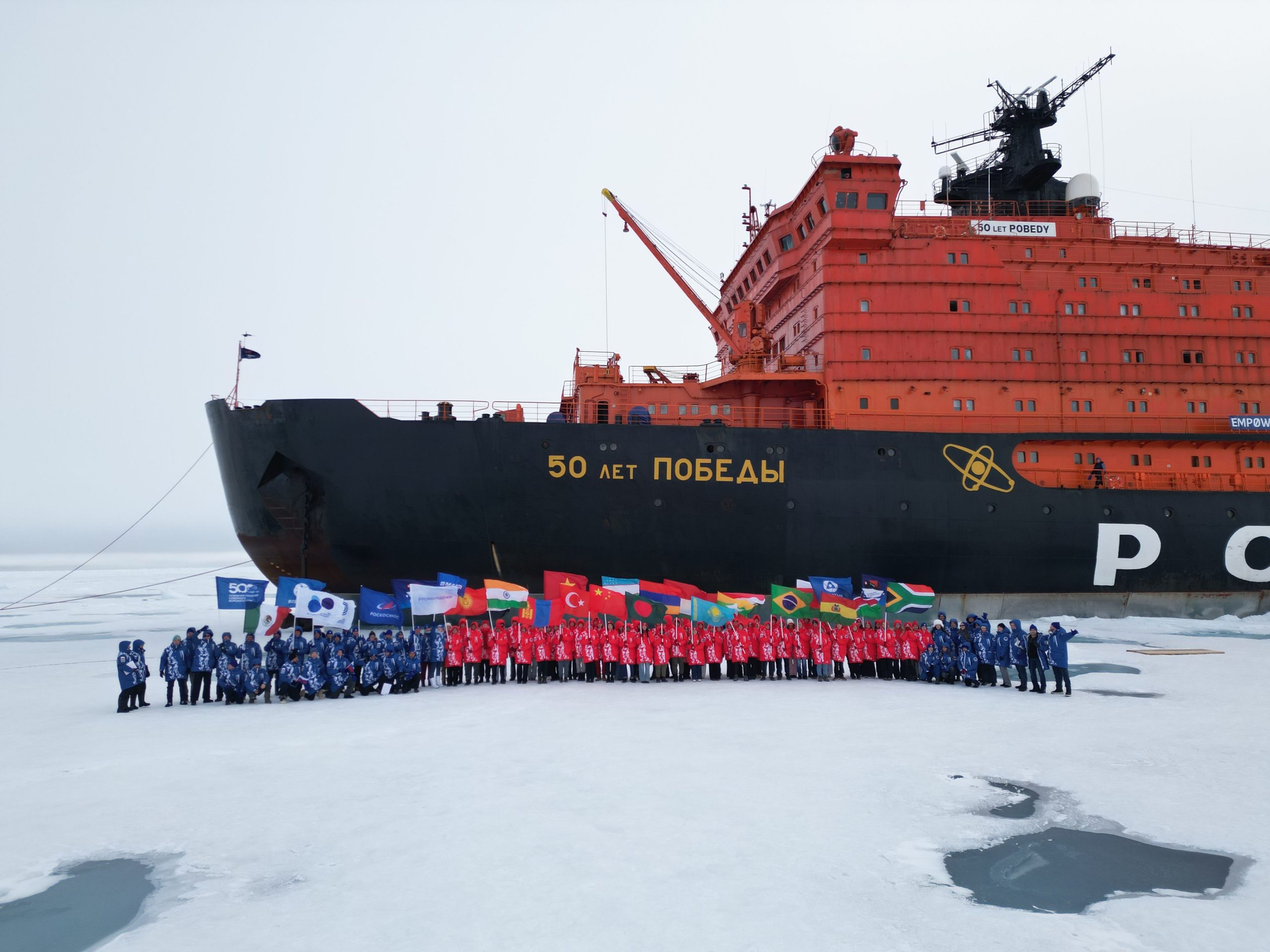
This year’s victory of Kadhikwa Tironenn Amutenya is more than just a trip to the North Pole – it is a chance to gain unique experience and knowledge that will serve him well in the future.
Namibia has been taking part in the Icebreaker of Knowledge project for several years now reflecting country’s growing interest in the nuclear sector with cooperation between Namibia and Rosatom advancing, including the preparation of a framework agreement on peaceful atomic energy.
This cooperation extends to the Wings uranium project in the Omaheke region, implemented by Headspring Investments (a part of Rosatom group). The project plans to use in-situ recovery mining, a technology regarded as one of the most environmentally sound and safe uranium extraction methods available worldwide.
Ends…




 Loading …
Leave a Reply