

By Staff Reporter
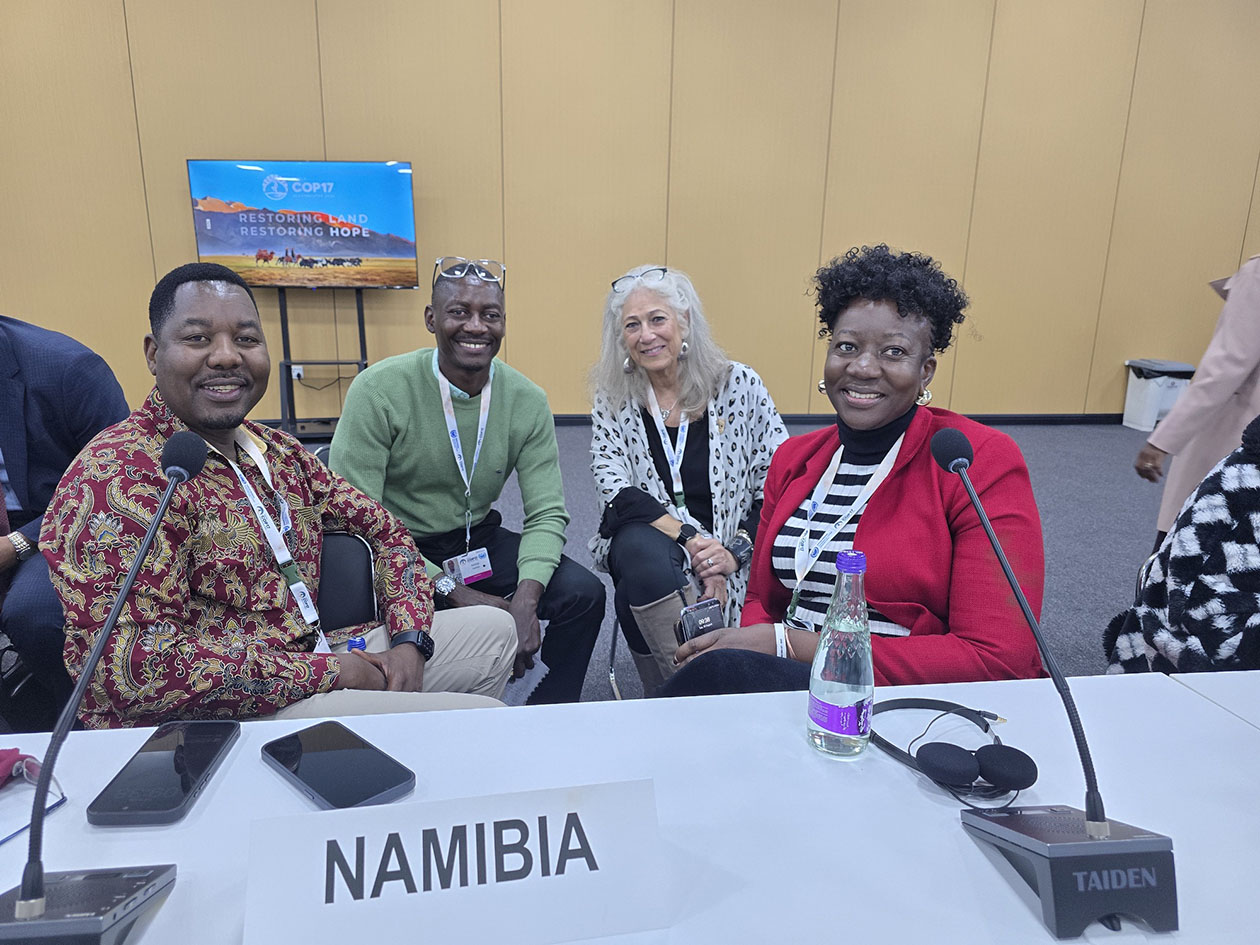
Namibia’s innovative approach to rangeland management and wildlife protection has been presented as a potential global model for combating desertification and restoring degraded drylands.
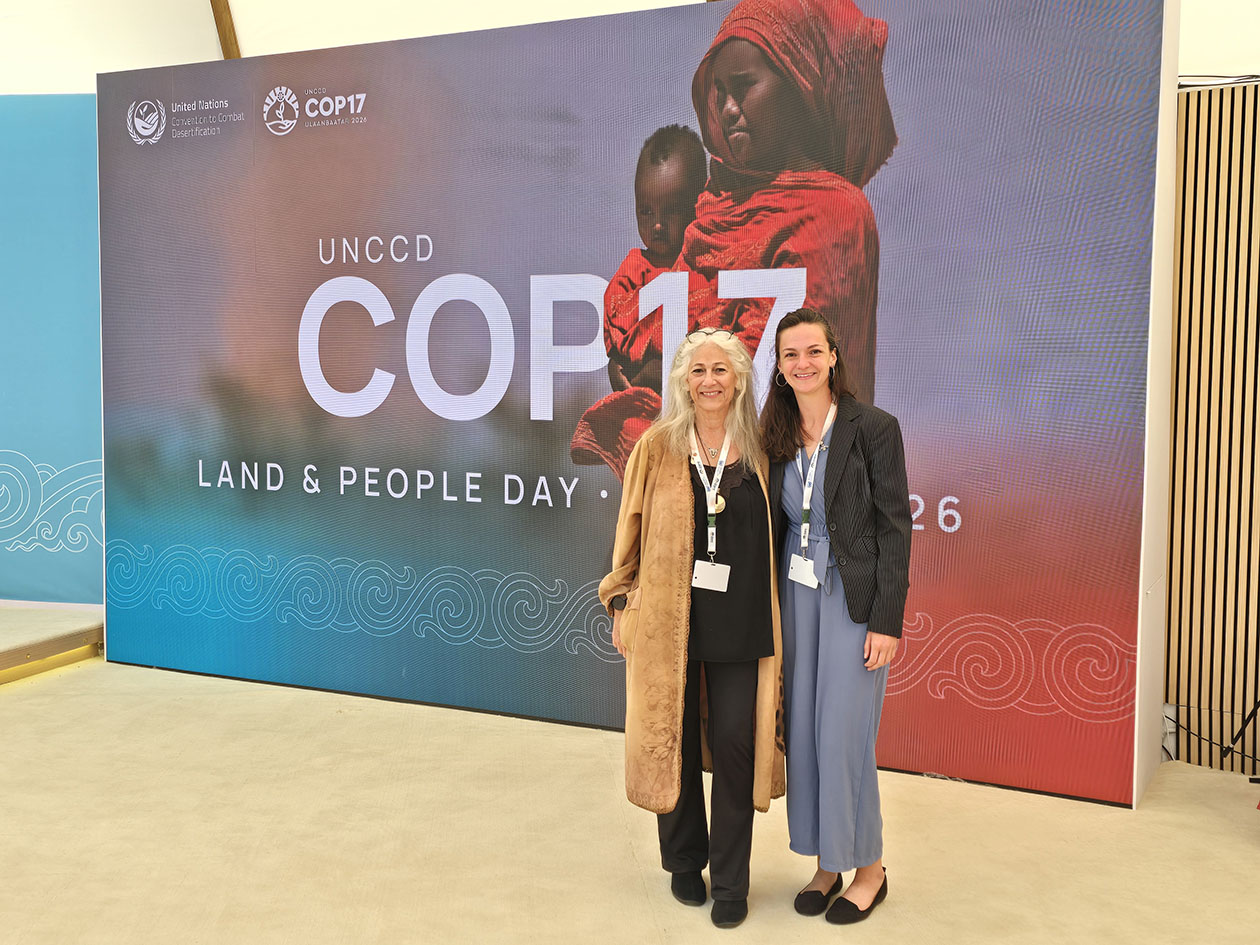
Dr. Laurie Marker, Founder and Executive Director of the Otjiwarongo-based Cheetah Conservation Fund (CCF), presented Namibia’s experience at the 17th United Nations Convention to Combat Desertification (UNCCD COP17) in Ulaanbaatar, Mongolia.
The summit, held from August 17 to 28 under the theme “Restoring Land. Restoring Hope,” brought together world leaders, scientists, agricultural experts and environmental specialists to address growing threats from drought, land degradation and climate change.
Dr. Marker highlighted Namibia’s approach of managing land, agriculture, livestock, wildlife and communities as interconnected components of a single ecosystem.
“We can’t manage land, water, food production, livestock, wildlife, biodiversity, and people as separate systems,” Dr. Marker said. “They’re all part of the same living ecosystem. Namibia has shown when we keep the land healthy, rural communities and wildlife thrive together.”
At COP17, CCF introduced its initiative, “Saving the Cheetah, Saving the Drylands,” presenting lessons from Namibia as a potential blueprint for other arid regions facing environmental and economic pressures.
The approach is particularly significant in Namibia, where many wild cheetahs live outside formally protected areas, including on commercial and communal farming lands. Their future is closely linked to the condition of these working landscapes and the availability of suitable habitat and prey.
CCF’s work focuses on practical measures such as sustainable rangeland management and controlling bush encroachment, which can improve the productivity and resilience of dryland areas.
The organisation also emphasised the wider value of maintaining healthy grasslands. Restoring degraded land can help protect soil, improve water retention, support livestock production and strengthen the livelihoods of rural communities.
CCF believes the cheetah can serve as a useful indicator of functioning dryland ecosystems because the species requires extensive landscapes with adequate prey and suitable habitat.
By linking wildlife protection with land restoration and agricultural productivity, Namibia’s experience demonstrates how environmental and economic objectives can be addressed through an integrated approach.
The presentation at COP17 placed Namibia’s rangeland-management experience in the international spotlight as countries increasingly search for practical responses to worsening drought, land degradation and desertification.
About CCF
The Cheetah Conservation Fund was founded in Namibia in 1990 by Dr. Laurie Marker. Based in Otjiwarongo, CCF conducts research, education and environmental programmes aimed at protecting cheetahs while supporting sustainable land management and rural livelihood.
Ends…




 Loading …
Leave a Reply