

By Staff Reporter

THE Marine Stewardship Council (MSC) , has awarded a grant of N$40-million to eighty-five projects around the world inorder to sustain fishing , support innovation and research in marine life protection.
About eighty-five (85) projects around the world have received funding to advance sustainable fishing practices.These initiatives cover a diverse array of efforts from neuroscientists developing deterrents for marine mammals and employing Artificial Intelligence (AI) to improve data collection, to international collaborations aimed at protecting highly migratory fish stock and recycling end-of-life fishing gear.
The projects are being funded through the Marine Stewardship Council (MSC)’s Ocean Stewardship Fund (OSF), which is providing N$ 40 million (US$ 2.2 million) to fisheries, NGOs, researchers, and scientists working to promote sustainable fishing and marine wildlife protection globally.
In South Africa, the deep-sea hake trawl fishery will trial innovative technologies to further improve its environmental performance; addressing fishery impacts to Endangered, Threatened and Protected (ETP) species, marine habitats and ecosystems. These include advanced manufacturing technologies to recycle end-of-life fishing nets, testing electronic monitoring devices that will be used to ensure compliance around the use of bird scaring lines, and the employment of AI to automate data collection for better bycatch management.
Dr. Johann Augustyn, South African Deep-Sea Trawling Industry Association (SADSTIA), said: “This funded project is a great opportunity to bolster our work and is of huge conservation value. These pilot projects have the potential to benefit several fisheries when more widely implemented, by encouraging the use of technologies to minimise impacts on endangered, threatened, or protected species, reduce the gear loss/ghost gear impacts, and mitigate the impacts on marine ecosystems.”
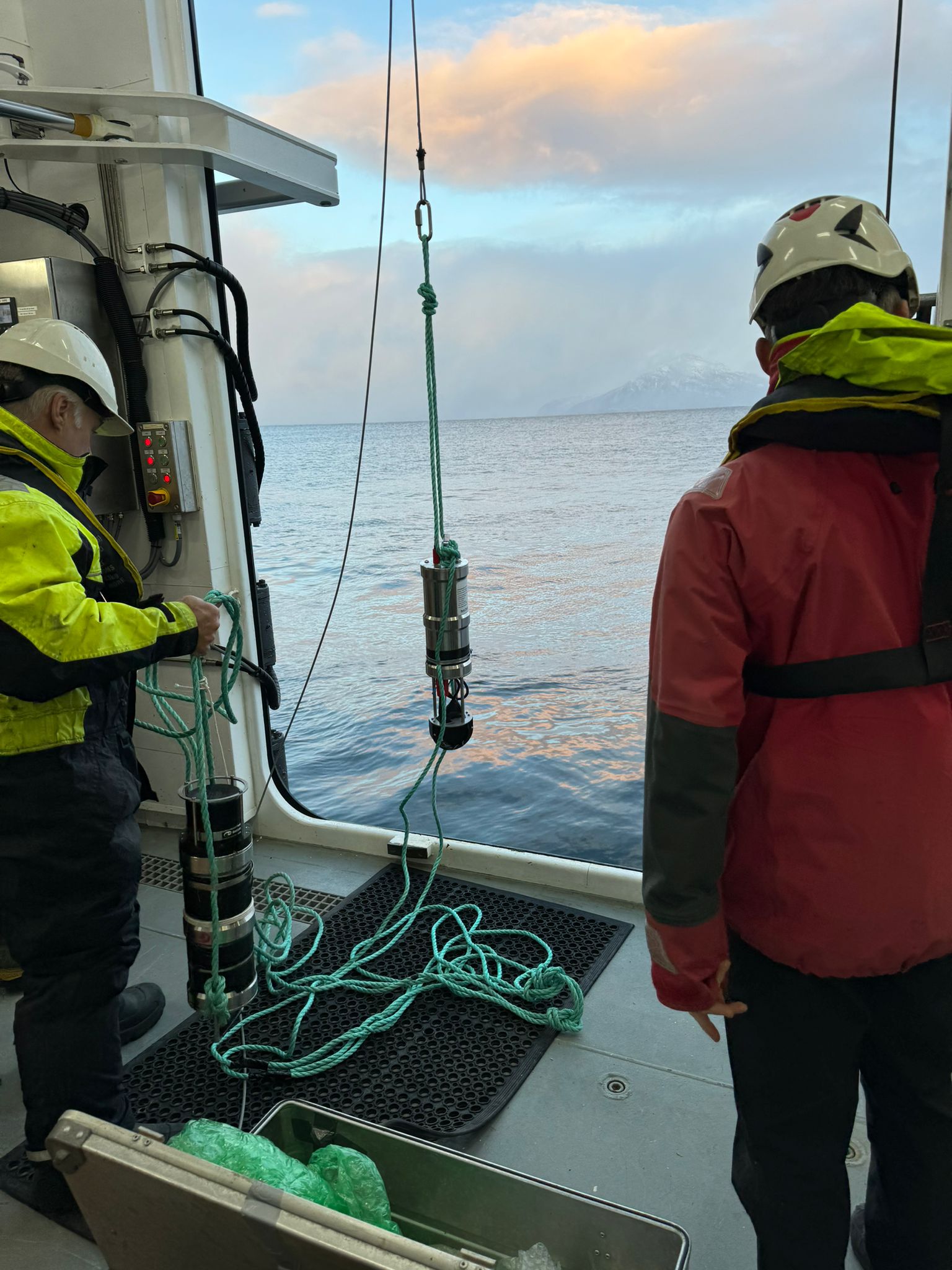
In the coastal town of Namibia at Walvis Bay , the hake trawl and longline fishery, has received funding to work with scientists and engineers to deploy the use of Targeted Acoustic Startle Technology (TAST), to minimise potentially harmful interactions by Cape fur seals with fishing gear.
Rooted in neuroscience, the technology emits a low range frequency to deter seals from approaching fishing gear, without damaging the hearing of the animal or other species in the area. As well as mitigating interactions with Cape fur seals during the Namibian fishery’s operations, the research hopes to gain valuable insights for other fisheries facing similar challenges with fur seal interactions.
Dr Thomas Götz, who is conducting the research with local partners, said: “For some top predators, particularly certain marine mammal species, bycatch and gear entanglement in fisheries is hugely impactful. This technology could offer a sustainable solution to long standing human-wildlife conflicts and help balance human need for food and livelihoods with wildlife conservation and environmental stewardship.”
Staying on the South Atlantic, a unique multi-stakeholder inter-governmental collaboration is also receiving support through this year’s Ocean Stewardship Fund. Five MSC certified albacore tuna fisheries – including the two South African albacore fisheries recently certified to the MSC Standard – will work with NGOs and inter-continental agencies to develop and implement a science-based stock-wide harvest strategy for albacore tuna, a highly migratory species. By targeting long-term sustainability and resilience, this project will create a replicable model for the management of albacore tuna stocks.
Shana Miller, Project Director for International Fisheries Conservation at The Ocean Foundation said: “This support from MSC will help us to facilitate expansion of rigorously tested harvest strategies to South Atlantic albacore, a valuable commercial stock. Stronger management and control of large-scale fishing, including with science-based harvest strategies, will transform fisheries management, helping to protect marine biodiversity and ensuring future sustainability in a changing ocean.”
Other projects supported by the OSF this year include research into the development of an ecosystem management approach for Iberian Sardines, a long-term study into the population dynamics of California Market Squid and improvements in detailing incidental capture of sharks in the Indian Ocean. Since its creation in 2019, MSC’s Ocean Stewardship Fund has awarded over $8.8million to support over 200 fisheries and projects worldwide, including almost 90 in developing economies. For the sixth year running, the MSC is committing 5% of annual royalties from sales of products carrying the MSC ecolabel to the OSF. Only catch from fisheries certified as sustainable according the MSC ‘s rigorous Fisheries Standard is eligible to be sold with the blue ecolabel.
Strategic contributions from philanthropic partners and mission aligned businesses also play a vital role in accelerating progress in sustainable fishing globally. This year, over thirty fisheries across Mexico, Peru, Chile, China, Indonesia, South Africa, India and Southern Europe are receiving support from such partners (via the OSF) to support their transition towards sustainable management.
Rupert Howes, Chief Executive of the Marine Stewardship Council said: “Congratulations to all recipients of the 2025 Ocean Stewardship Fund. Our vision is of an ocean teeming with life, and achieving this requires strong partnerships that drive innovation and deliver improvements at scale. These awards highlight the power of collaboration — from scientists and fishers testing inventive solutions, to environmental and intergovernmental organisations working alongside fishers to implement large-scale changes in management practices. We’re proud that the OSF can help support these transformative partnerships.”
Ends…
SOURCE :MSC




 Loading …