

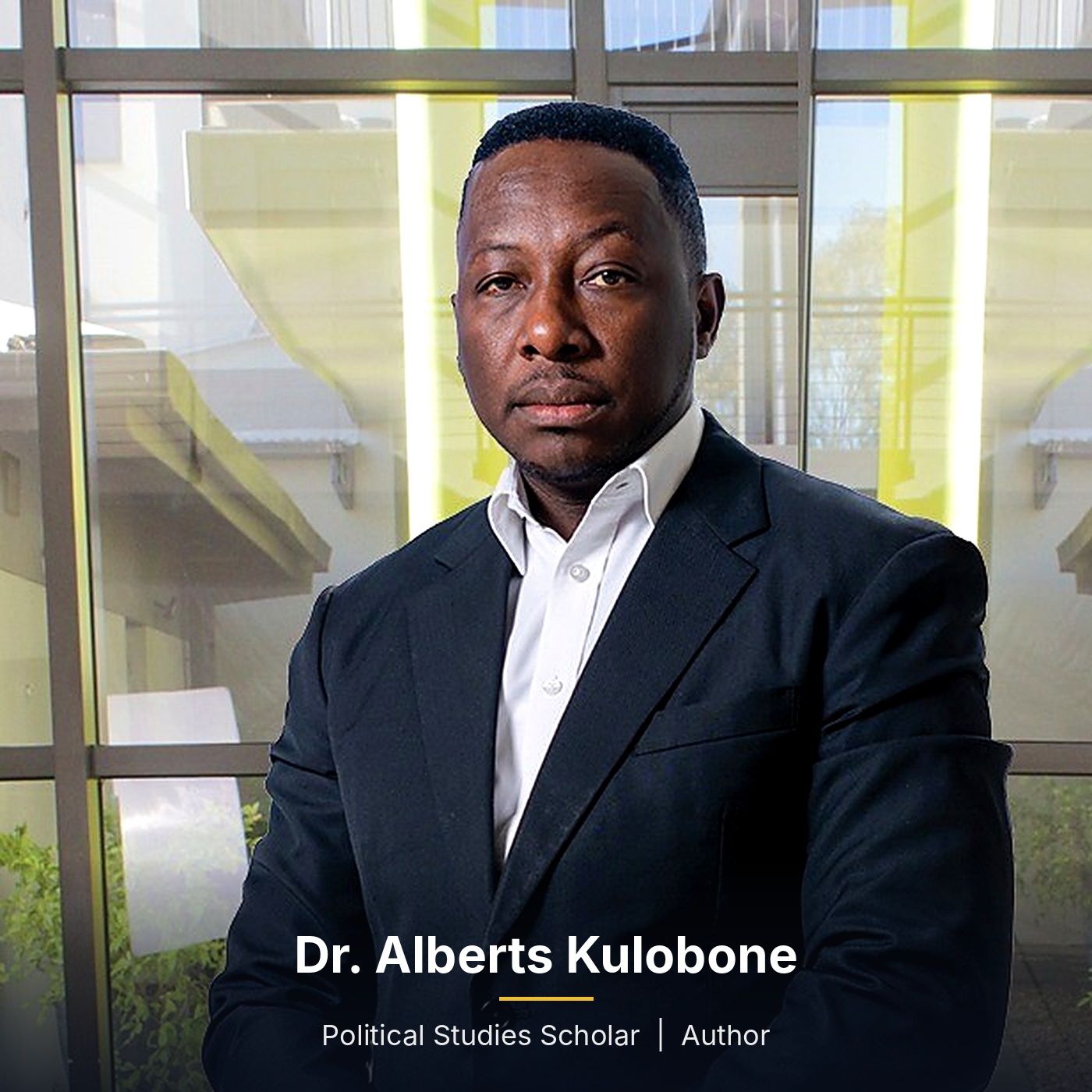
𝗕𝘆 𝗔𝗹𝗯𝗲𝗿𝘁𝘀 𝗞𝘂𝗹𝗼𝗯𝗼𝗻𝗲
𝗔𝘀 𝘁𝗵𝗲 𝗔𝗡𝗖’𝘀 𝗲𝗹𝗲𝗰𝘁𝗼𝗿𝗮𝗹 𝘀𝗲𝘁𝗯𝗮𝗰𝗸𝘀 𝘀𝗵𝗼𝘄, 𝗮 𝗻𝗲𝘄 𝗴𝗲𝗻𝗲𝗿𝗮𝘁𝗶𝗼𝗻 𝗼𝗳 𝘃𝗼𝘁𝗲𝗿𝘀 𝗶𝘀 𝗷𝘂𝗱𝗴𝗶𝗻𝗴 𝗔𝗳𝗿𝗶𝗰𝗮’𝘀 𝗹𝗶𝗯𝗲𝗿𝗮𝘁𝗶𝗼𝗻 𝗺𝗼𝘃𝗲𝗺𝗲𝗻𝘁𝘀 𝗯𝘆 𝘄𝗵𝗮𝘁 𝘁𝗵𝗲𝘆 𝗱𝗲𝗹𝗶𝘃𝗲𝗿 𝘁𝗼𝗱𝗮𝘆, 𝗻𝗼𝘁 𝗯𝘆 𝘄𝗵𝗮𝘁 𝘁𝗵𝗲𝘆 𝗮𝗰𝗵𝗶𝗲𝘃𝗲𝗱 𝗱𝗲𝗰𝗮𝗱𝗲𝘀 𝗮𝗴𝗼.
𝗧𝗵𝗲 𝗪𝗲𝗶𝗴𝗵𝘁 𝗼𝗳 𝘁𝗵𝗲 𝗟𝗶𝗯𝗲𝗿𝗮𝘁𝗶𝗼𝗻 𝗟𝗲𝗴𝗮𝗰𝘆
For much of Africa’s post-independence history, liberation movements occupied a special place in the hearts of citizens. They were not merely political parties. They were symbols of sacrifice, resistance and national identity. Their legitimacy was earned through struggle, not through elections alone.
Parties such as SWAPO in Namibia, the ANC in South Africa, ZANU-PF in Zimbabwe and FRELIMO in Mozambique transformed their countries’ political landscapes by leading national liberation struggles and securing self-determination for their people.
For decades, that liberation legacy translated into political support. Citizens who had lived through colonialism, apartheid and oppression voted not only on policy, but also out of gratitude and recognition for the sacrifices made by liberation leaders.
𝗔 𝗡𝗲𝘄 𝗚𝗲𝗻𝗲𝗿𝗮𝘁𝗶𝗼𝗻, 𝗡𝗲𝘄 𝗣𝗿𝗶𝗼𝗿𝗶𝘁𝗶𝗲𝘀
Today, however, Africa stands at a crossroads.
The generations entering the electorate have a fundamentally different perspective. Many were born after independence. They did not experience colonial rule, apartheid or armed struggle. Their political consciousness has been shaped not by the liberation era, but by contemporary realities.
Their concerns are immediate and practical. They worry about jobs, housing, education, healthcare, corruption, technology, entrepreneurship and the rising cost of living. They are less interested in who liberated the country and more interested in who can create opportunities for the future.
𝗔 𝗪𝗮𝗿𝗻𝗶𝗻𝗴 𝗦𝗶𝗴𝗻𝗮𝗹 𝗳𝗿𝗼𝗺 𝗦𝗼𝘂𝘁𝗵 𝗔𝗳𝗿𝗶𝗰𝗮
The recent electoral setbacks suffered by the African National Congress (ANC) should therefore be seen as more than a South African political event. They are a warning signal to liberation movements across the continent.
The ANC remains one of the most historically significant political organizations in Africa. It produced Nelson Mandela and led one of the world’s most celebrated democratic transitions. Yet increasing numbers of South Africans are evaluating the party on governance outcomes rather than historical achievements.
The message emerging from voters is clear: liberation credentials command respect, but performance determines support.
This presents an uncomfortable question for liberation movements across Africa: can a movement keep relying on victories achieved decades ago while citizens judge governments on present-day results?
The answer is increasingly no.
History remains important. National memory must be preserved. Liberation heroes deserve recognition. But historical achievements cannot permanently substitute for solutions to contemporary challenges.
A young graduate seeking employment cannot be expected to vote solely on events that occurred before they were born. A household struggling with rising living costs will measure success differently from previous generations.
This does not mean liberation movements are no longer relevant. Rather, their relevance must be constantly renewed.
𝗙𝗿𝗼𝗺 𝗟𝗶𝗯𝗲𝗿𝗮𝘁𝗶𝗼𝗻 𝗣𝗼𝗹𝗶𝘁𝗶𝗰𝘀 𝘁𝗼 𝗗𝗲𝘃𝗲𝗹𝗼𝗽𝗺𝗲𝗻𝘁 𝗣𝗼𝗹𝗶𝘁𝗶𝗰𝘀
The challenge facing Africa’s liberation parties is to evolve from custodians of history into architects of the future. They must shift from liberation politics to development politics.
Citizens want to hear less about what was achieved thirty or forty years ago, and more about what will be achieved in the next thirty or forty years. They want economic transformation, innovation, efficient public services, accountable leadership and opportunities in a rapidly changing world.
𝗧𝗵𝗲 𝗦𝘂𝗰𝗰𝗲𝘀𝘀 𝗼𝗳 𝗟𝗶𝗯𝗲𝗿𝗮𝘁𝗶𝗼𝗻 𝗜𝘁𝘀𝗲𝗹𝗳
Paradoxically, liberation movements may have become victims of their own success. By fighting for freedom, they created generations of citizens who feel empowered to question authority, demand accountability and change their political preferences without fear.
That is not a sign of democratic decline. It is, in fact, one of the greatest successes of liberation itself.
The future of Africa’s liberation movements will therefore depend not on how effectively they preserve their liberation credentials, but on how successfully they reinvent themselves for a new era.
History may open the door to political legitimacy, but only performance can keep that door open.
𝘈𝘭𝘣𝘦𝘳𝘵𝘴 𝘒𝘶𝘭𝘰𝘣𝘰𝘯𝘦 𝘩𝘰𝘭𝘥𝘴 𝘢 𝘋𝘰𝘤𝘵𝘰𝘳 𝘰𝘧 𝘗𝘩𝘪𝘭𝘰𝘴𝘰𝘱𝘩𝘺 (𝘗𝘩𝘋) 𝘥𝘦𝘨𝘳𝘦𝘦 𝘪𝘯 𝘗𝘰𝘭𝘪𝘵𝘪𝘤𝘢𝘭 𝘚𝘵𝘶𝘥𝘪𝘦𝘴, 𝘢 𝘔𝘢𝘴𝘵𝘦𝘳’𝘴 𝘥𝘦𝘨𝘳𝘦𝘦 𝘪𝘯 𝘗𝘰𝘭𝘪𝘵𝘪𝘤𝘢𝘭 𝘚𝘵𝘶𝘥𝘪𝘦𝘴, 𝘢 𝘔𝘢𝘴𝘵𝘦𝘳’𝘴 𝘥𝘦𝘨𝘳𝘦𝘦 𝘪𝘯 𝘔𝘢𝘯𝘢𝘨𝘦𝘮𝘦𝘯𝘵 𝘢𝘯𝘥 𝘢𝘯 𝘈𝘥𝘷𝘢𝘯𝘤𝘦𝘥 𝘊𝘰𝘶𝘳𝘴𝘦 𝘪𝘯 𝘋𝘪𝘱𝘭𝘰𝘮𝘢𝘤𝘺, 𝘢𝘮𝘰𝘯𝘨 𝘮𝘢𝘯𝘺 𝘰𝘵𝘩𝘦𝘳 𝘲𝘶𝘢𝘭𝘪𝘧𝘪𝘤𝘢𝘵𝘪𝘰𝘯𝘴. 𝘏𝘦 𝘸𝘳𝘪𝘵𝘦𝘴 𝘪𝘯 𝘩𝘪𝘴 𝘱𝘦𝘳𝘴𝘰𝘯𝘢𝘭 𝘤𝘢𝘱𝘢𝘤𝘪𝘵𝘺 𝘢𝘴 𝘢 𝘤𝘪𝘵𝘪𝘻𝘦𝘯 𝘪𝘯𝘵𝘦𝘳𝘦𝘴𝘵𝘦𝘥 𝘪𝘯 𝘥𝘦𝘷𝘦𝘭𝘰𝘱𝘮𝘦𝘯𝘵 𝘮𝘢𝘵𝘵𝘦𝘳𝘴.





Leave a Reply