

By Caprivi Vision Newsroom
The media must move beyond reporting incidents of gender-based violence and help shape the attitudes that prevent it, speakers and participants told a regional Peace Journalism Workshop hosted by HWPL Southern Africa to mark the start of the 16 Days of Activism.
The virtual workshop, held on 25 November under the theme “The Role of Media in Ending GBV,” coincided with the United Nations’ International Day for the Elimination of Violence against Women. It drew about 50 journalists, editors, media professionals, writers, content creators and peace advocates from across Southern Africa.
Heavenly Culture, World Peace, Restoration of Light (HWPL) is an international peace organisation that works through education, dialogue and international cooperation.
Three speakers from South Africa, Mozambique and Mauritius addressed the gathering.
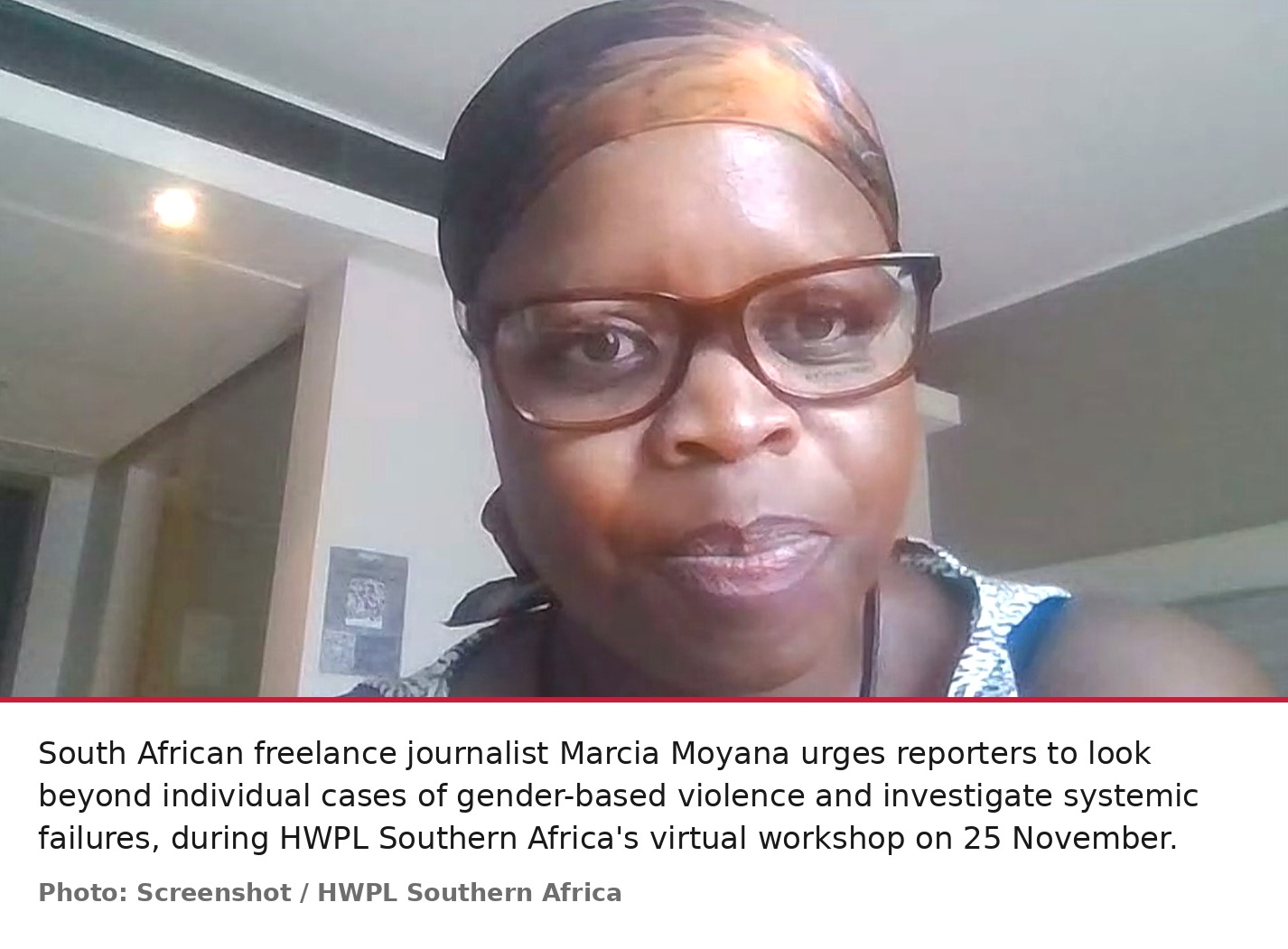
Marcia Moyana, an award-winning freelance journalist from South Africa, urged reporters to look past individual cases and investigate systemic failures, survivor-support services and institutional accountability. She also stressed early intervention to stop violence from becoming normal in society.
“Prevention should start from childhood,” Moyana said.
Carla Raul Freia, founder of Vida Ideal and a social entrepreneur from Mozambique, spoke on community listening, advocacy and digital campaigns that challenge victim-blaming and link survivors to practical help. She called for closer cooperation between journalists, psychologists and civil society, and for men and boys to be involved in prevention.
“Each of us brings something different to the table,” Freia said.
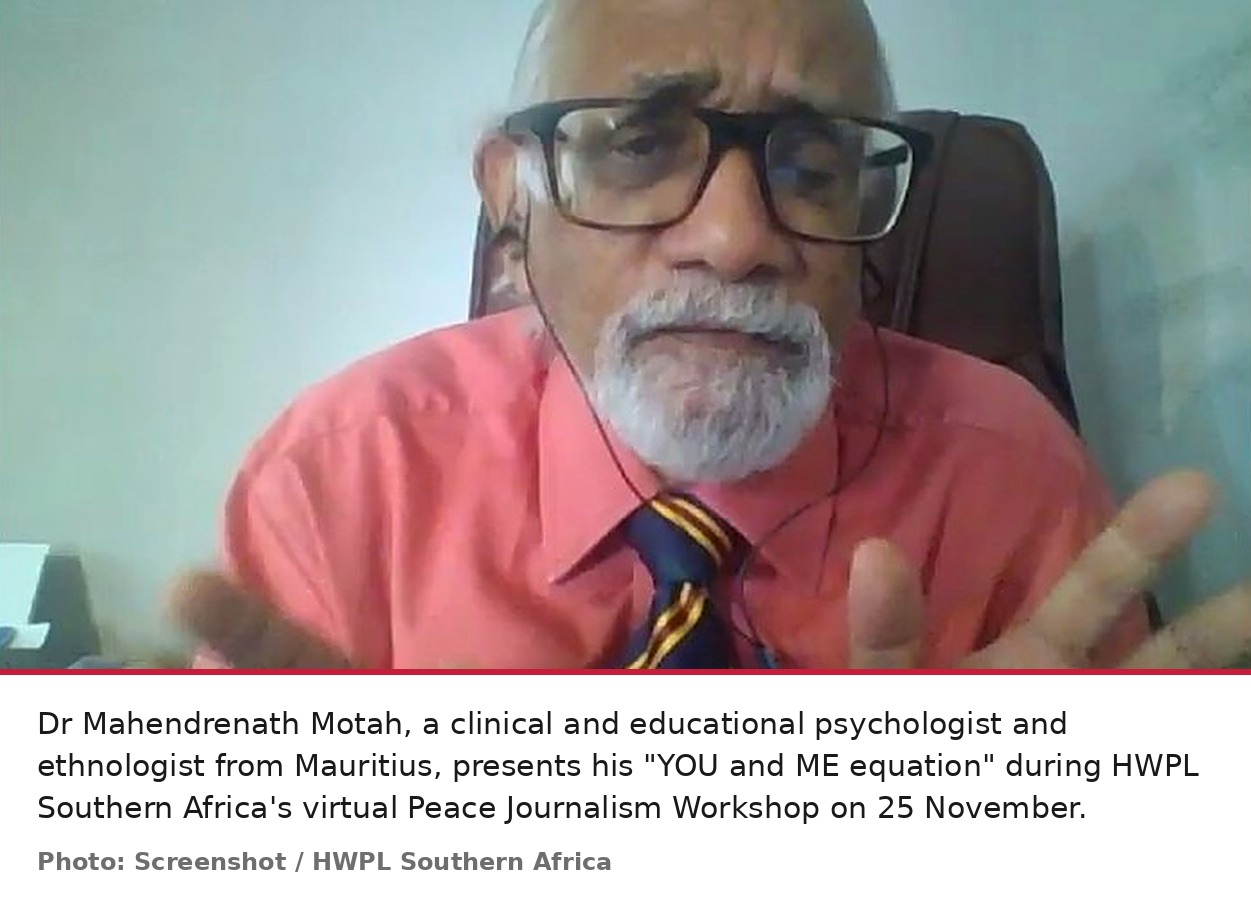
Dr Mahendrenath Motah, a clinical and educational psychologist and ethnologist from Mauritius, explained how perceptions, beliefs and social expectations shape behaviour. Presenting what he calls the “YOU and ME equation,” he encouraged mutual respect, empathy and acceptance of human differences.
“The difference is what make us equal!” Motah said.
During the open discussion, South African participant Aziz Hartley challenged the media to cover GBV consistently, not only during annual campaigns.
“What about the rest of the year?” he asked.
Hartley called on media houses to adopt clear editorial policies for reporting on GBV, as they do for crime and political reporting, with a focus on protecting the rights and dignity of women and children. He said newsrooms should avoid publishing survivors’ identifying details or photographs, focus more on perpetrators, and hold government accountable for the funding and effectiveness of support services, including specialised facilities and police services.
Olerato Mathodi from Botswana shared experiences from ongoing peace education work on GBV in communities. She said efforts with HWPL aim to extend peace education from individuals to communities and institutions, especially among young people, to build awareness of safety, prevention and peaceful coexistence.
Participants further discussed protecting survivors’ dignity, avoiding sensational reporting and ensuring online advocacy leads to real action in communities. They also reflected on how language in news reports, social media posts and everyday conversation can either reinforce or challenge harmful beliefs.
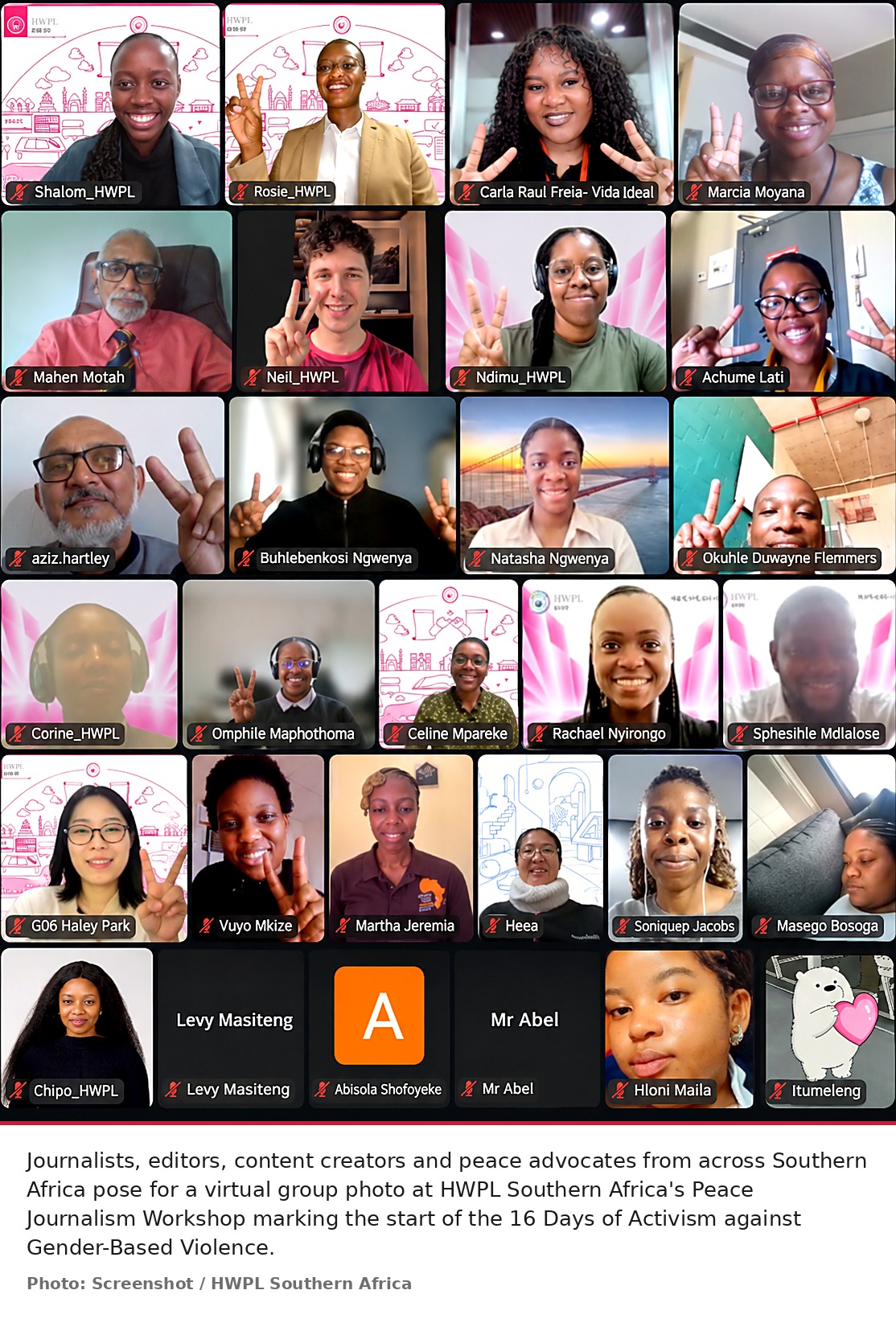
HWPL promotes the Declaration of Peace and Cessation of War (DPCW), peace education, interfaith dialogue and cooperation with the media, civil society, and women and youth organisations.
As the campaign runs until Human Rights Day on 10 December, HWPL Southern Africa called on media practitioners to practise responsible, survivor-centred and solutions-focused journalism that challenges harmful narratives and strengthens accountability.
The workshop closed on a central message: the media can not only report on violence but also shape the mindsets that help prevent it.
This story is based on a statement issued by HWPL Southern Africa.





Leave a Reply