

By Staff Reporter
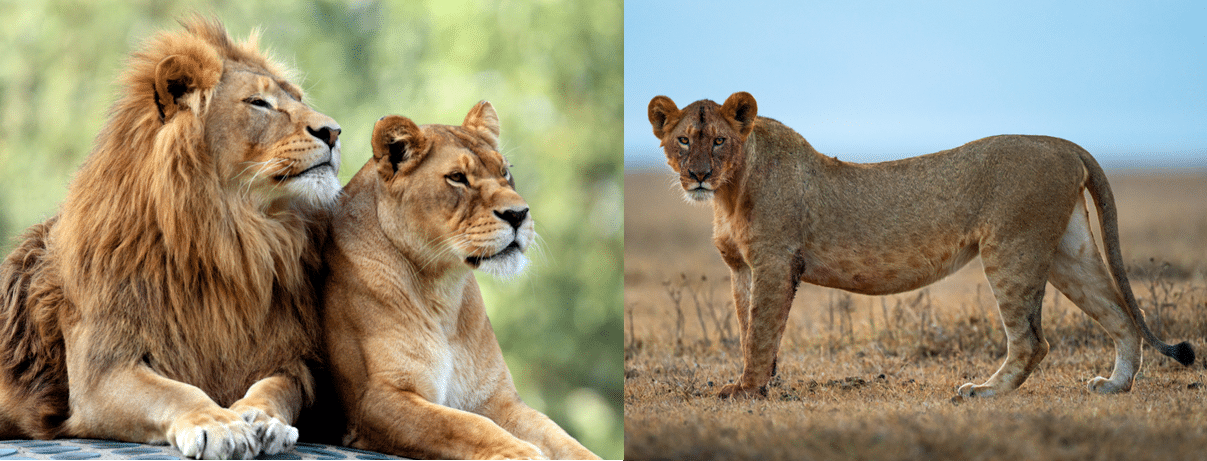
New population estimates presented at a national multi-stakeholder meeting in Windhoek underscore the urgency of coordinated action to reduce human-wildlife conflict and secure the future of Namibia’s large carnivores.
The Large Carnivore Management Association of Namibia (LCMAN), working in cooperation with the World Wildlife Fund Namibia (WWF), convened the working meeting on Friday August 7, 2026. The event brought together more than 40 conservationists, government officials, researchers, farmers, hunters, and tourism leaders both in person and virtually to address escalating ecological threats.
Namibia is home to 34 terrestrial carnivore species, including some of Africa’s most iconic and wide-ranging predators. However, these species face increasing conservation challenges. Dr. Tim Hofmann of the Cheetah Conservation Fund (CCF) presented data showing that 11 of these 34 species are now considered either Threatened (six species) or Near Threatened (five species) in Namibia. Large carnivores face the highest level of risk, with wild cats (Felidae) representing the highest proportion of threatened species.
Presenters further reported that Namibia’s cheetah population is currently estimated at approximately 1,200 individuals. Meanwhile, African wild dogs. classified as Critically Endangered in Namibia, are estimated at just 130 to 350 animals spread across roughly 35 packs, with tracking data indicating a potential population decline. Additionally, data shows that around 12 desert-adapted lions currently utilize the unique coastal habitat of the Skeleton Coast. Conservationists emphasized that these figures represent a call to action, reinforcing the need for repeatable monitoring, responsible data sharing, and practical support for the people living alongside these wide-ranging species.
Discussion at the meeting underscored that protected areas alone cannot secure wide-ranging carnivores. Farmers, conservancies, traditional institutions, private landholders, and rural communities remain central to conservation outcomes.
“These updated figures are a warning and a call to action,” said Dr. Laurie Marker, Founder and Executive Director of the CCF, and Chair of LCMAN. “Namibia remains a global stronghold for large carnivores, but their future depends entirely on providing practical, on-the-ground support for the farmers, conservancies, and communities who share the landscape with them.”
Participants examined five complementary strategies to build a durable system for wildlife coexistence:
Other Effective Area-Based Conservation Measures (OECMs): Recognizing and protecting sustained biodiversity outside formal, state-protected reserves.
Wildlife Credits: Implementing results-based payments for ecosystem services to direct financial value back to communities protecting wildlife.
Early Warning Technology: Deploying modern tech to help landholders and response teams intercept carnivores before conflict occurs.
Context-Specific Protection: Providing local livestock protection, deterrence tools, education, and rapid-response systems.
Ecosystem Stewardship Certification: Strengthening market recognition and rewards for agricultural producers practicing responsible coexistence.
Dr. Pauline Lindeque, Wildlife and Landscapes Programme Director at WWF, noted that the path forward relies heavily on integration. “The meeting showed that Namibia has the science, field experience, and emerging finance tools to act. The priority now is to connect them through a coordinated national approach that reduces conflict and delivers measurable benefits for people and wildlife.” The species estimates provided at the session will serve as an immediate benchmark for public communication and future ecological monitoring.
About the Meeting & Participants
The Multi-Stakeholder Working Meeting on Human-Wildlife Conflict and Large Carnivore Conservation in Namibia was held at the Community Conservation and Inspiration Hub in Windhoek West. Formal research and presentations were contributed by the Cheetah Conservation Fund (CCF), WWF, the Leibniz Institute for Zoo and Wildlife Research (IZW), the Desert Lion Conservation Project (DLCP), and the Kalahari African Wild Dog Conservation Project (KAWDCP).
Additional participating organizations included the Conservancy Association of Namibia (CANAM), the Namibia Professional Hunters Association (NAPHA), the Namibian Community Based Natural Resource Management Support Organization (NACSO), the Namibia Nature Foundation (NNF), the Integrated Rural Development and Nature Conservation (IRDNC), N/a’an ku sê Wildlife Foundation, the Kwando Carnivore Project (KCP), the Brown Hyaena Research Project (BHRP), the Hospitality Association of Namibia (HAN), the United Nations Development Programme (UNDP), and the Ministry of Environment, Forestry and Tourism (MEFT).
Ends…




 Loading …
Leave a Reply